explainers
EByte and Binary Schemas Explained in Plain Language
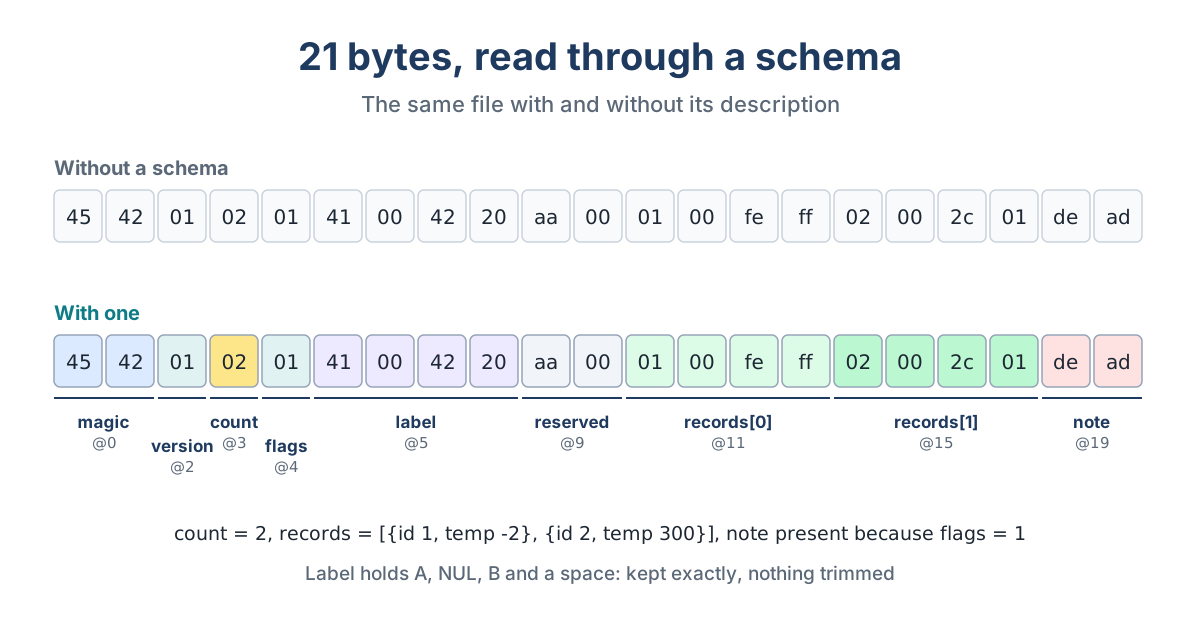
A text file explains itself. Open a CSV or a JSON file and you can read it, more or less. A binary file doesn’t. Open one in a hex editor and you see rows of …
Tag
explainers
A text file explains itself. Open a CSV or a JSON file and you can read it, more or less. A binary file doesn’t. Open one in a hex editor and you see rows of …
the name
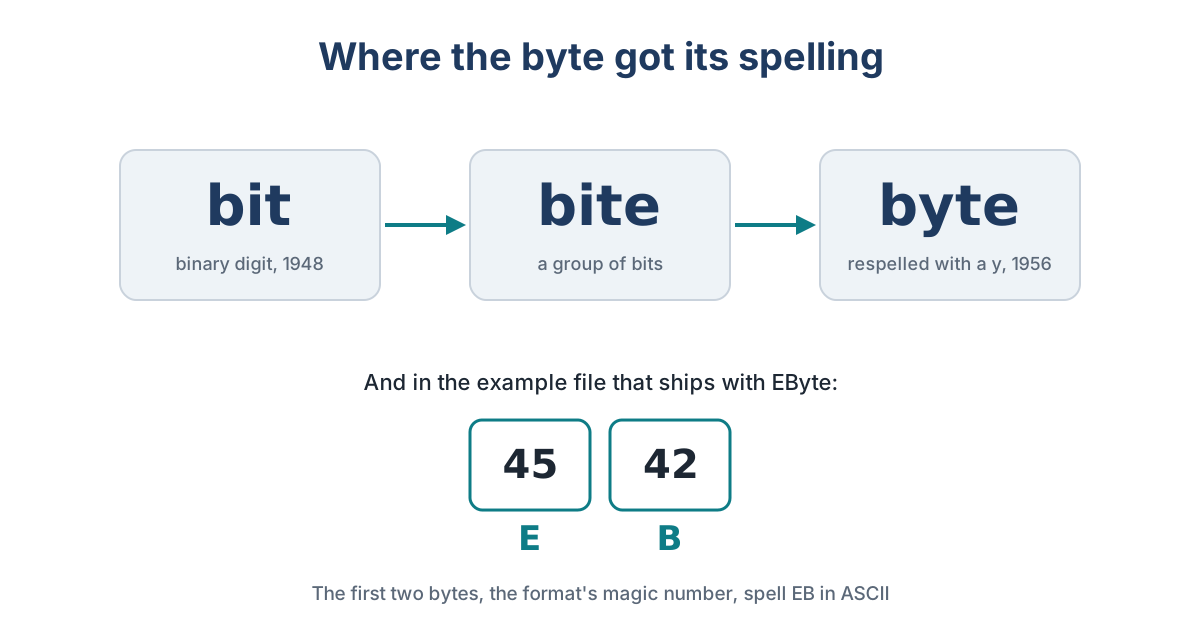
EByte is a tool that cares about bytes, every one of them, so the name starts there. The word itself is younger than most people guess, and its odd spelling was on …
case studies
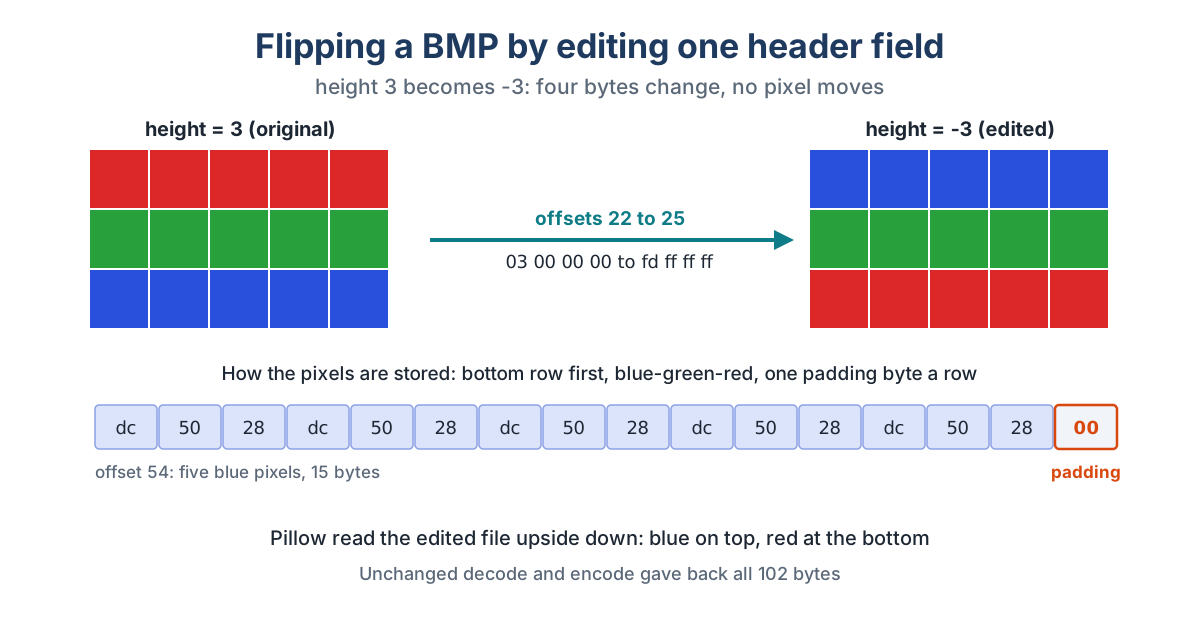
BMP is about as plain as image formats get, which makes it a good test of whether a schema can describe a real file down to the last byte. This case study made a tiny …
case studies
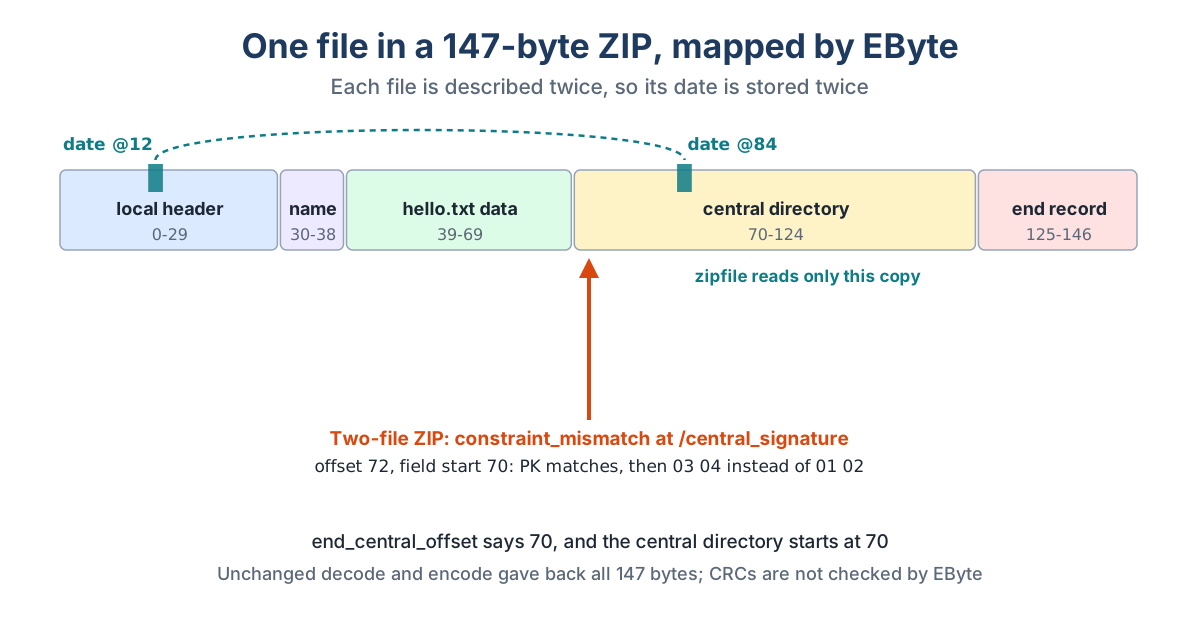
A ZIP file is a good test of whether a schema can follow a real format’s bookkeeping. Every file inside it is described twice: once in a local header just before …
case studies
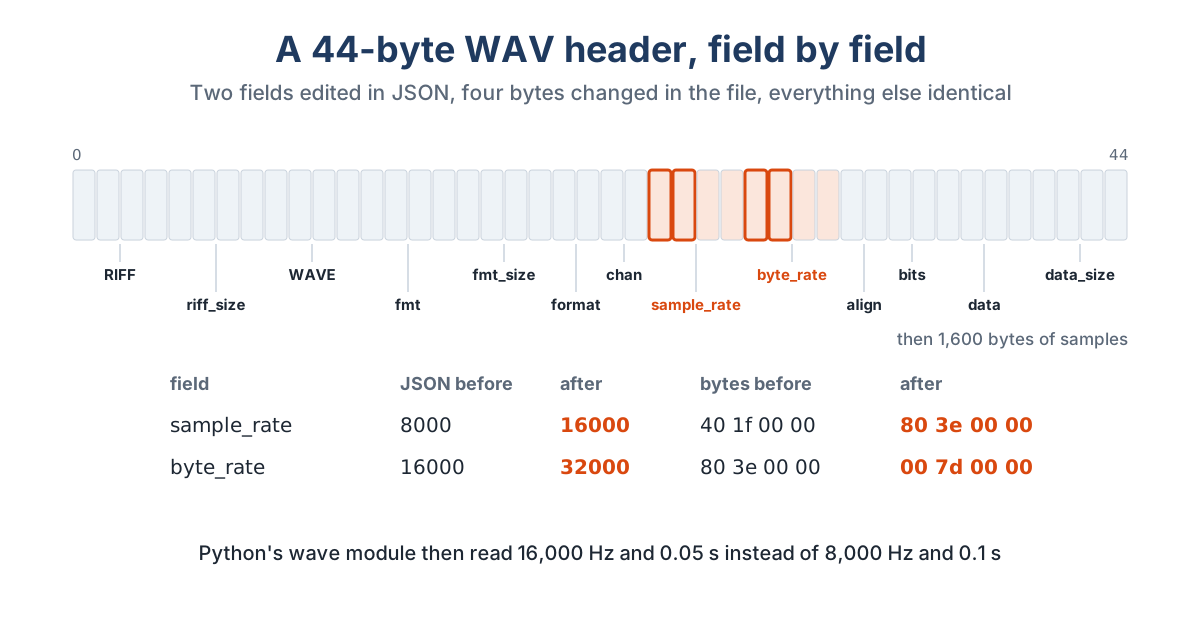
The example that ships with EByte is a made-up format. This case study uses a real one: a WAV audio file, made by Python’s standard wave module and read with the …
case studies
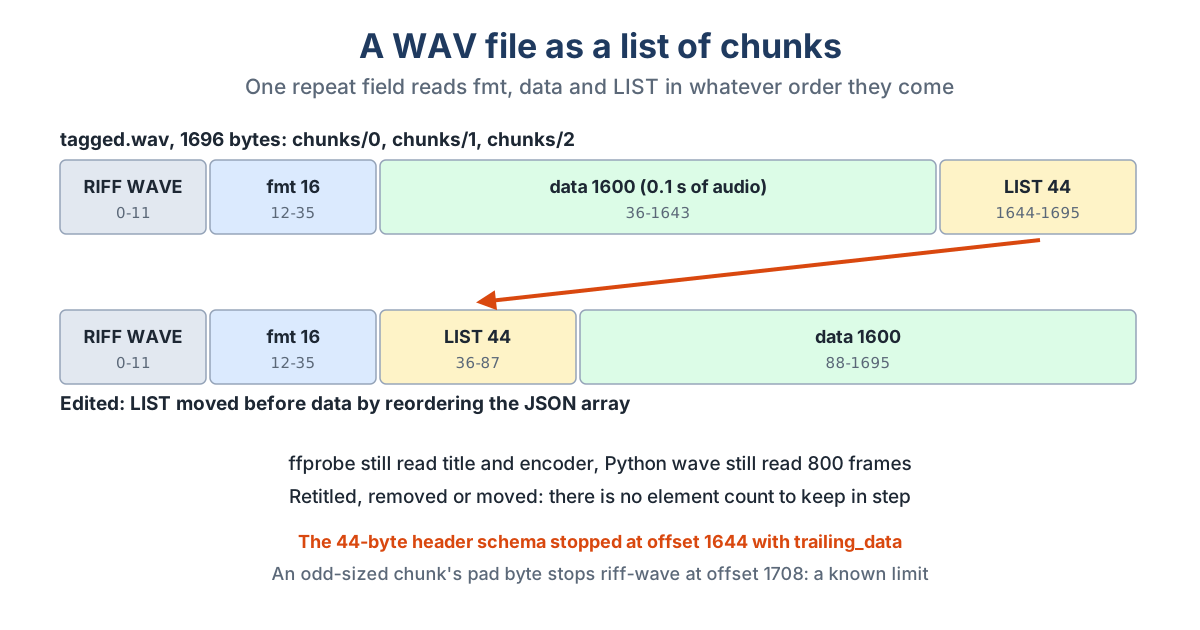
The first WAV case study used a schema that knew exactly three chunks in a fixed order. Real WAV files aren’t that tidy. Recorders and editors add a LIST chunk with …
releases
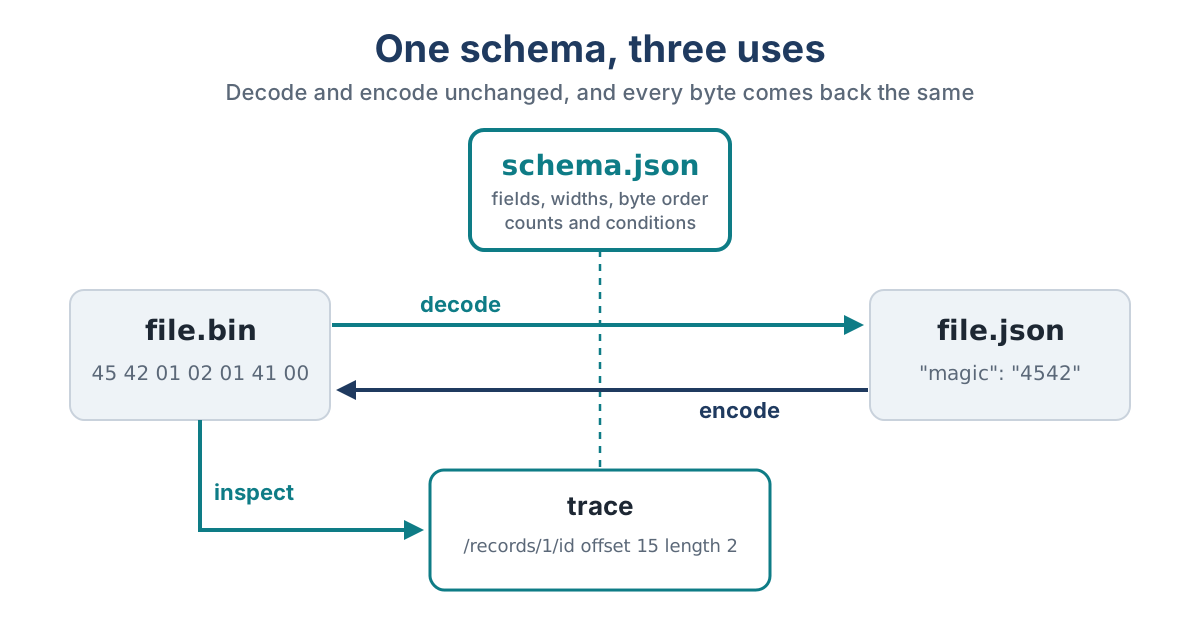
EByte 0.1 is out. It’s a small Go library and a command-line tool for binary file formats, and it does one thing that sounds obvious until you’ve tried it: …
testing
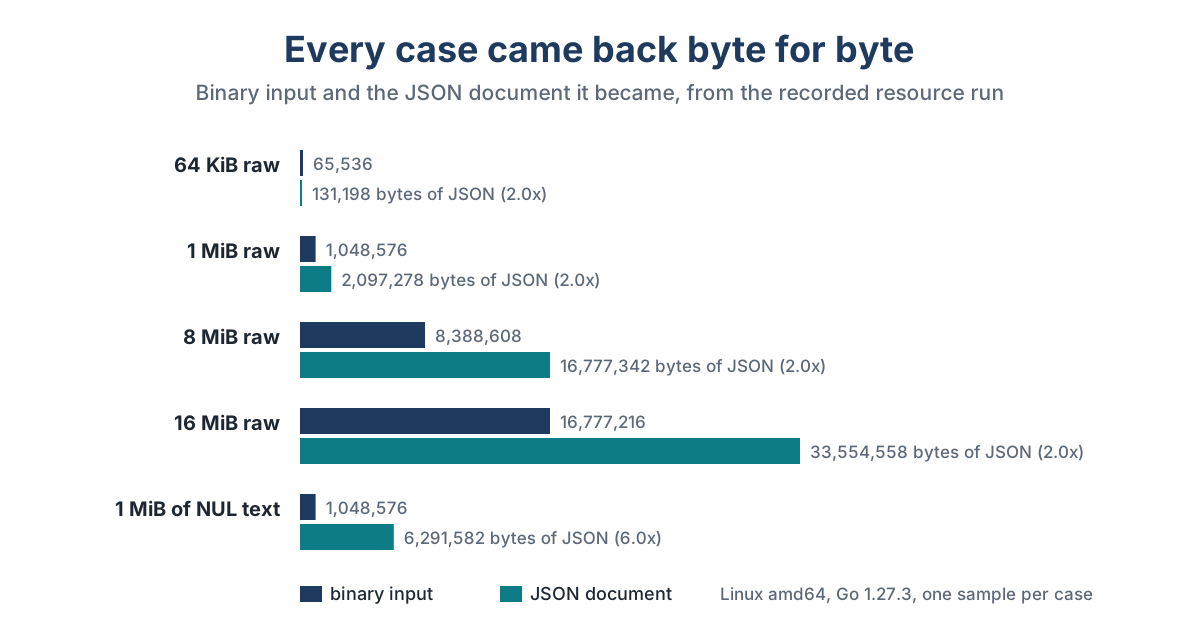
A codec has a sneaky way of passing its own tests. If the decoder and the encoder share a mistake, say both read a count from the wrong byte, then decoding a file and …
use examples
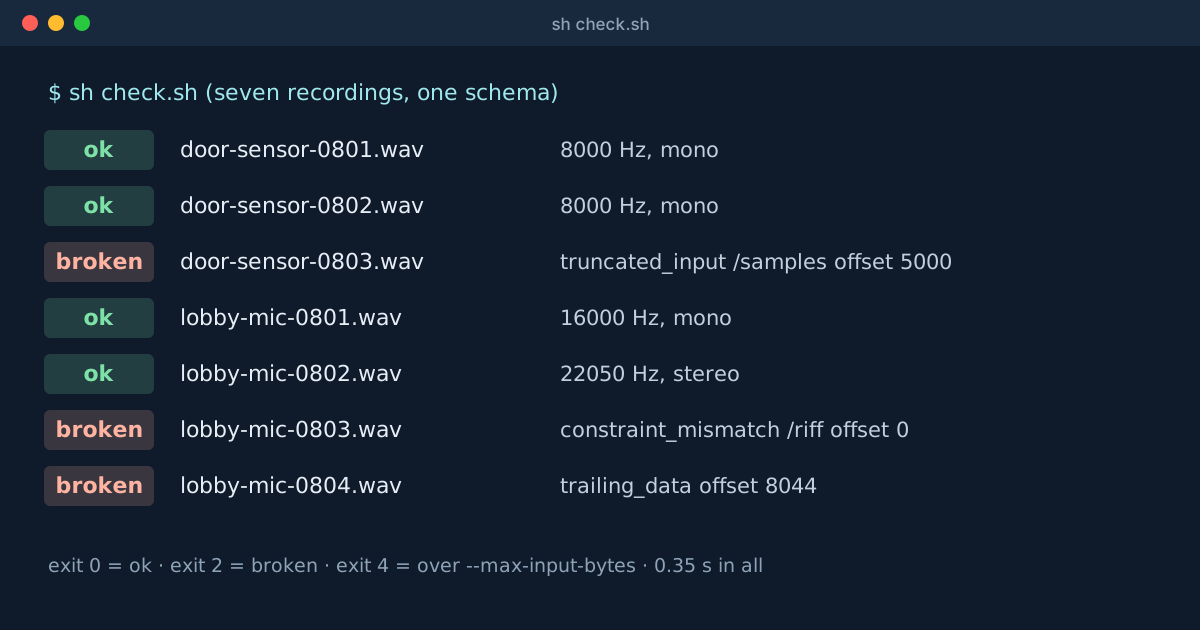
Most of the time nobody opens a binary file by hand. Files arrive from devices, uploads and exports, and something has to decide which ones are fine before anything else …